
RACE PREPARATION
How long does it take to train for a first 5K?
A nine-week run–walk plan is a starting point for your first 5K
A structured beginner programme can give you a useful starting timeline; the NHS plan runs for nine weeks. Your own preparation may take longer, especially if you need walking preparation, repeated weeks or time off.
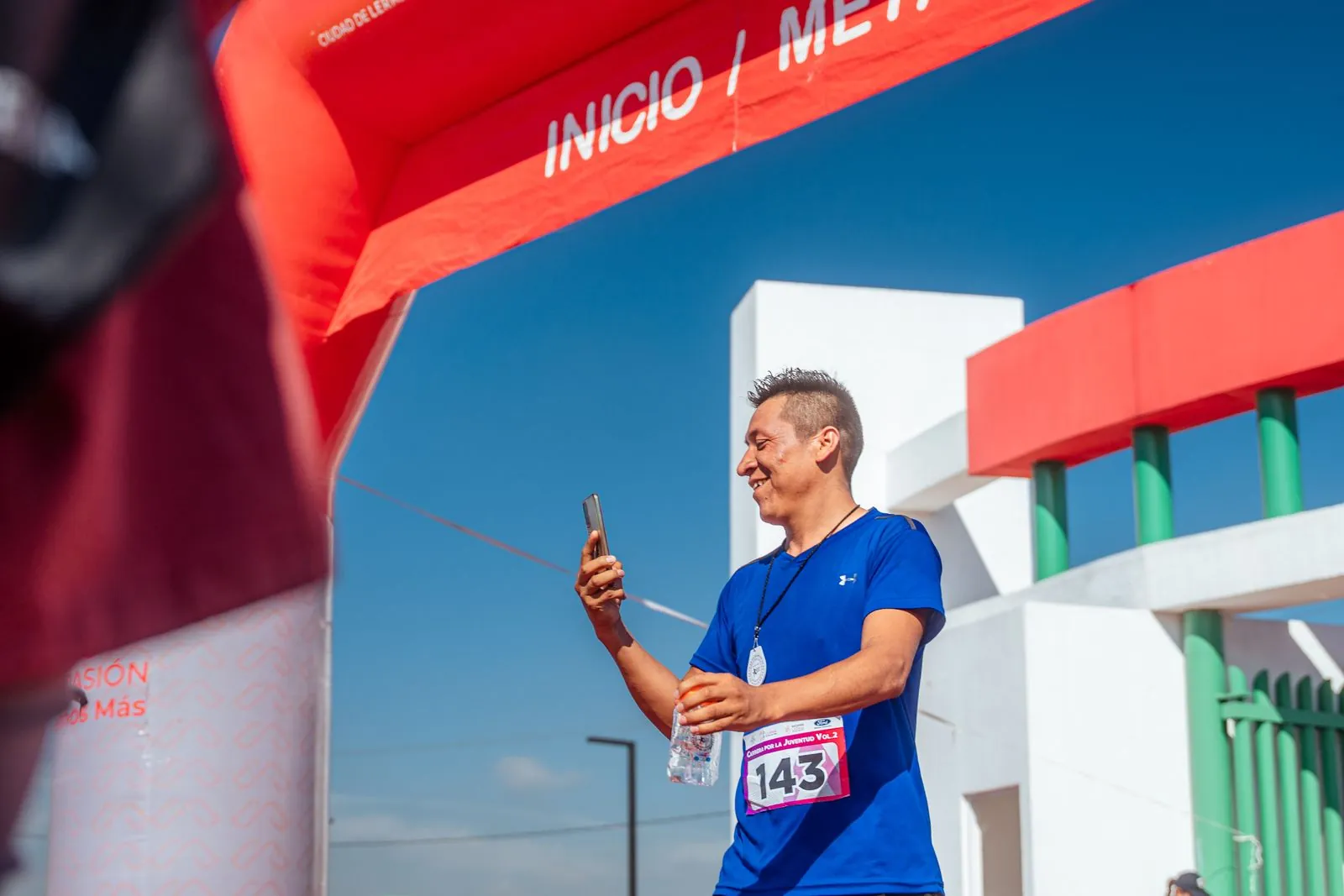
Check the starting point before choosing the date
Someone already comfortable with regular brisk walks starts in a different place from someone returning after a long inactive period. Previous running experience also does not automatically describe current readiness. Look at what you can repeat now.
Choose an event date that leaves some flexibility. If every week must go perfectly to reach the start line, a minor illness or busy period can turn a manageable goal into pressure. A later event or a run–walk approach may fit better than trying to compress the plan.
Understand what the programme builds
The NHS Couch to 5K programme uses nine weeks of progressive running and walking. Treat that as a structured route into running, not a promise that every participant reaches the same distance or pace on the same day.
Continuous running time and five-kilometre distance are separate measures. Thirty minutes at 6:00 min/km covers 5 km; thirty minutes at 7:30 min/km covers 4 km. The second runner has still achieved thirty minutes of continuous running. They simply need more time to cover the event distance.
Use milestones that describe the task
| Milestone | What it tells you |
|---|---|
| Repeat short run–walk sessions | The routine fits your current recovery |
| Extend manageable running portions | You are tolerating more continuous work |
| Understand your likely event duration | You can plan effort and event logistics |
| Practise the intended run–walk strategy | Race day contains fewer surprises |
These are decisions to review, not a week-by-week medical clearance. If one stage remains difficult, repeat or scale it down rather than assuming the calendar requires you to move on.
Rehearse the event details
Check the start time, terrain, time limit and whether walking is welcome. Practise with the shoes and clothing you intend to wear. Work out travel and bag storage so the morning does not begin as a sprint to the start.
For a first event, a controlled start is usually more useful than trying to bank time. Being carried along by a faster group in the first few minutes can make the remaining distance much harder than the same route felt in training.
Review progress without rushing it
Use Runome’s activity history to see whether you are completing the routine consistently and how similar sessions feel. Compare running time and recovery as well as pace. If a run–walk strategy is working, you do not need to abandon it to count the event as a success.
Use the pace calculator to estimate duration from a comfortable practice pace, while allowing for event conditions. Read how to choose a useful 5K target. If illness, pain or recovery problems interrupt the plan, adjust the event goal rather than trying to make up several missed sessions at once.