
RUNNING GEAR
How do I choose running shoes?
Choose running shoes for fit, comfort and the routes you run
Start with a secure, comfortable fit and a shoe suited to your usual surface. Try it in the socks you run in and judge the experience, not just the brand, price or a universal “best shoe” label.
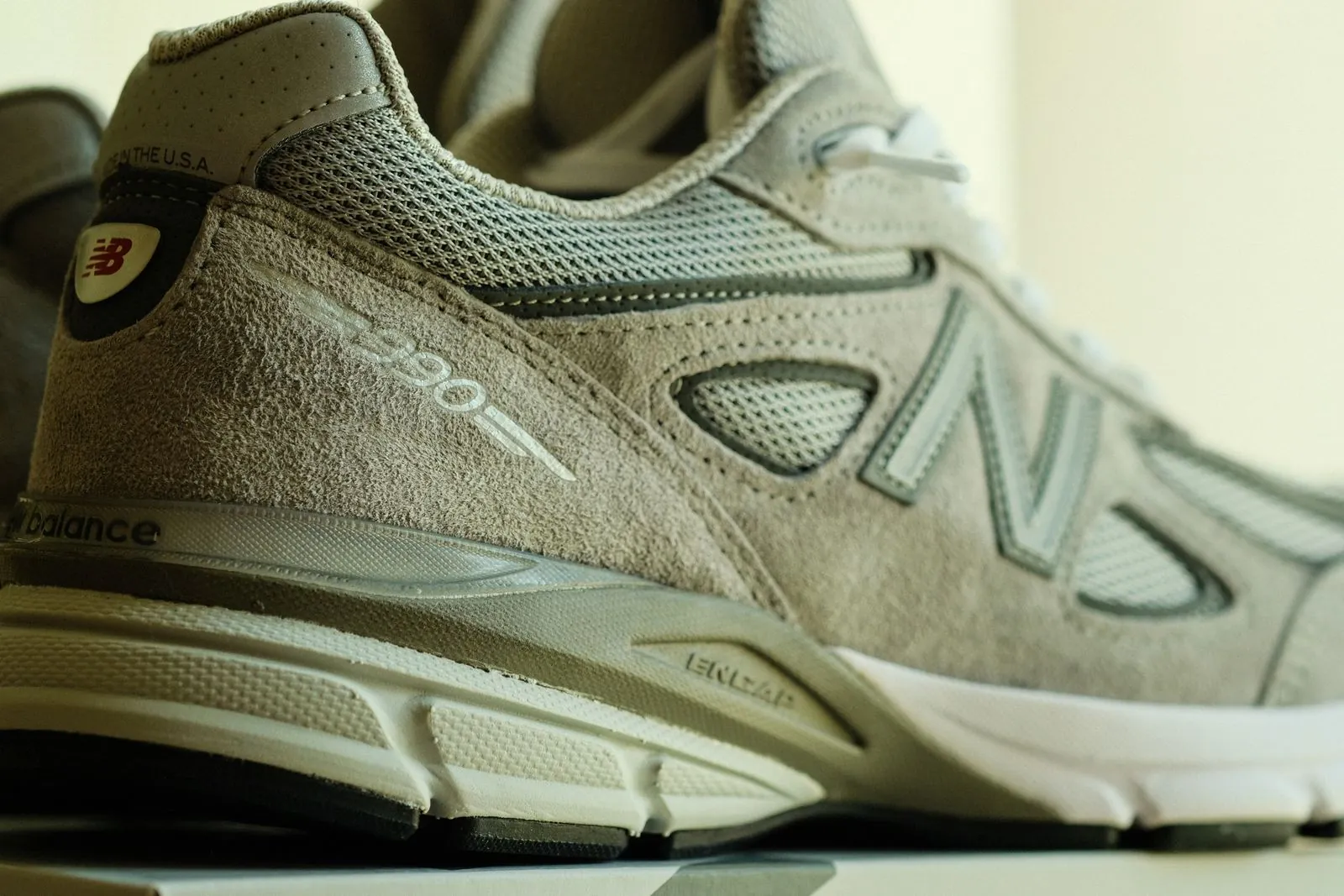
Define the ordinary run first
Think about where most of your running happens: paved paths, a treadmill, muddy trails or a mixture. A specialised racing shoe and a grippy trail shoe solve different problems. Begin with the use you will repeat most often rather than an exceptional event months away.
Set a budget before comparing models. A higher price does not automatically make a shoe more comfortable or appropriate. A practical daily option that fits well can be more useful than a specialised model whose main appeal is its marketing.
Check the fit on both feet
The American Academy of Orthopaedic Surgeons recommends trying athletic shoes with suitable socks and checking room and security. Feet and shoe shapes differ, so the printed size is only a starting point. Try both shoes and move around rather than deciding while seated.
| Area | What to notice |
|---|---|
| Toes | Room to move without pressure against the front |
| Midfoot | Secure hold without pinching or numbness |
| Heel | Comfortable contact without excessive slipping |
| Movement | Walking and a permitted short jog feel natural |
| Socks and inserts | The setup matches what you actually use |
Follow the retailer’s trial conditions and return policy. A short indoor test is more useful when you know what kind of trial is allowed before wearing the shoes outside.
Treat shoe categories as a starting point
Terms such as cushioned, stable, lightweight or responsive describe design intentions, not guaranteed outcomes for your body. Two shoes in the same category can feel quite different. Compare the actual fit and experience instead of assuming the label settles the choice.
If you use prescribed orthoses, have persistent pain or have been advised to use a particular setup, bring that context to the fitting. A generic online shoe quiz cannot replace individual advice. Avoid making several major changes to footwear and training at once.
Introduce a new pair without a high-stakes test
Use an ordinary, manageable outing to learn how a new pair feels. The longest run of the plan or race morning is an awkward first test because you have fewer convenient options if rubbing or discomfort appears.
Keep the first comparison simple: similar route, similar effort, familiar socks. A new pair may feel different without producing a measurable performance improvement. Do not interpret one faster GPS split as proof that the shoe caused the change.
Replace based on condition and experience, not one magic number
Distance can help you remember how long you have used a pair, but wear depends on the shoe, surface and runner. Look at damage, grip and changes in comfort. A single mileage threshold cannot inspect the actual shoe for you.
Record which pair you used if that helps you track patterns alongside your runs. Persistent pain should not be solved only by buying another pair; review symptoms and training changes and seek appropriate assessment. Good footwear supports the routine, but it cannot guarantee injury prevention.