
FOOD AND HYDRATION
What should I eat before a run?
Eat familiar carbohydrate foods before a demanding run
Before a long or demanding run, choose familiar carbohydrate-rich food with enough time to digest it. The amount and timing depend on the session and your tolerance; a short easy outing does not need a complicated race menu.
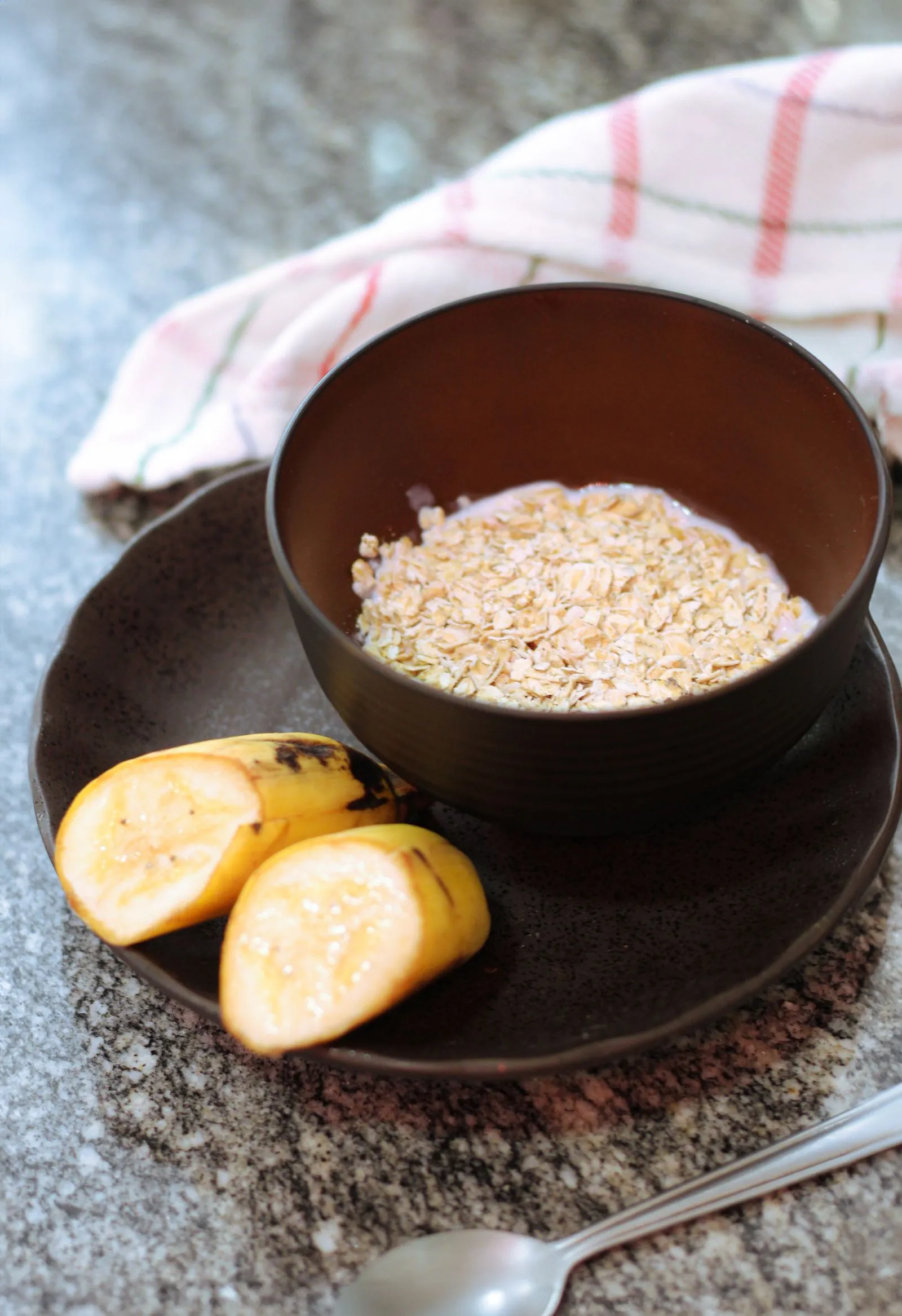
Match the food to the session
Start with two questions: how demanding will the run be, and when did you last eat? A gentle outing after an ordinary meal is different from a long morning run after an overnight gap. Treating every run as a race can make the routine unnecessarily complicated.
The Mayo Clinic’s exercise-nutrition guidance emphasizes meal timing and food tolerance. Familiar carbohydrate foods can support exercise, while large or poorly timed meals may feel uncomfortable. You do not need a branded sports product for every outing.
Build a simple menu you can repeat
| Situation | Possible familiar option | What to check |
|---|---|---|
| More time before a longer run | Toast, cereal, porridge or another usual breakfast | Portion size and digestion |
| Less time and you feel hungry | A smaller familiar snack, such as a banana or toast | Whether it settles comfortably |
| A short easy outing after a meal | Your normal meal pattern may be sufficient | Hunger, comfort and overall fueling |
These are food examples, not equivalent portions or a personalized meal plan. Food allergies, medical conditions and individual digestive issues require different choices. Avoid replacing a meal you need with an arbitrary tiny snack just because you are about to exercise.
Test one variable during training
If breakfast sits badly, change one factor at a time: the size, the timing, or the type of food. Keeping the route and effort similar helps you interpret the result. Changing breakfast, adding caffeine and running harder all at once makes the cause of discomfort much less clear.
Write down what you ate and when, then note comfort during the run. The useful result is a reliable routine that fits your life. A single excellent workout after a new food does not prove that food caused a performance improvement.
Keep race morning familiar
Use training runs to rehearse the breakfast and timing you intend to use before a race. Check practical details: will the food be available at your accommodation, can you prepare it early enough, and will travel to the start change the timing?
A race expo is a poor place to discover whether an unfamiliar drink or supplement agrees with you. “Healthy” and “comfortable immediately before running” are different questions; a food can belong in a balanced diet without being your best choice close to a hard session.
Connect fueling to the activity you actually did
Review duration and effort in Runome, then compare them with your fueling notes. Mayo Clinic’s athlete-nutrition overview is a useful starting reference for exercise fueling. An app’s recorded distance cannot tell you exactly what you need to eat.
If your main problem is the interval between breakfast and the start, read how long to wait after eating. For extended outings, plan carbohydrate during the run separately rather than assuming a larger breakfast answers every fueling question.