
RACE PREPARATION
How long should my longest run be before a marathon?
Marathon long runs do not need to cover the full 42.2 km
You do not need to complete 42.195 km in training to prepare for a marathon. Choose the longest run within a suitable plan, considering time on your feet, total weekly running and how well you recover afterward.
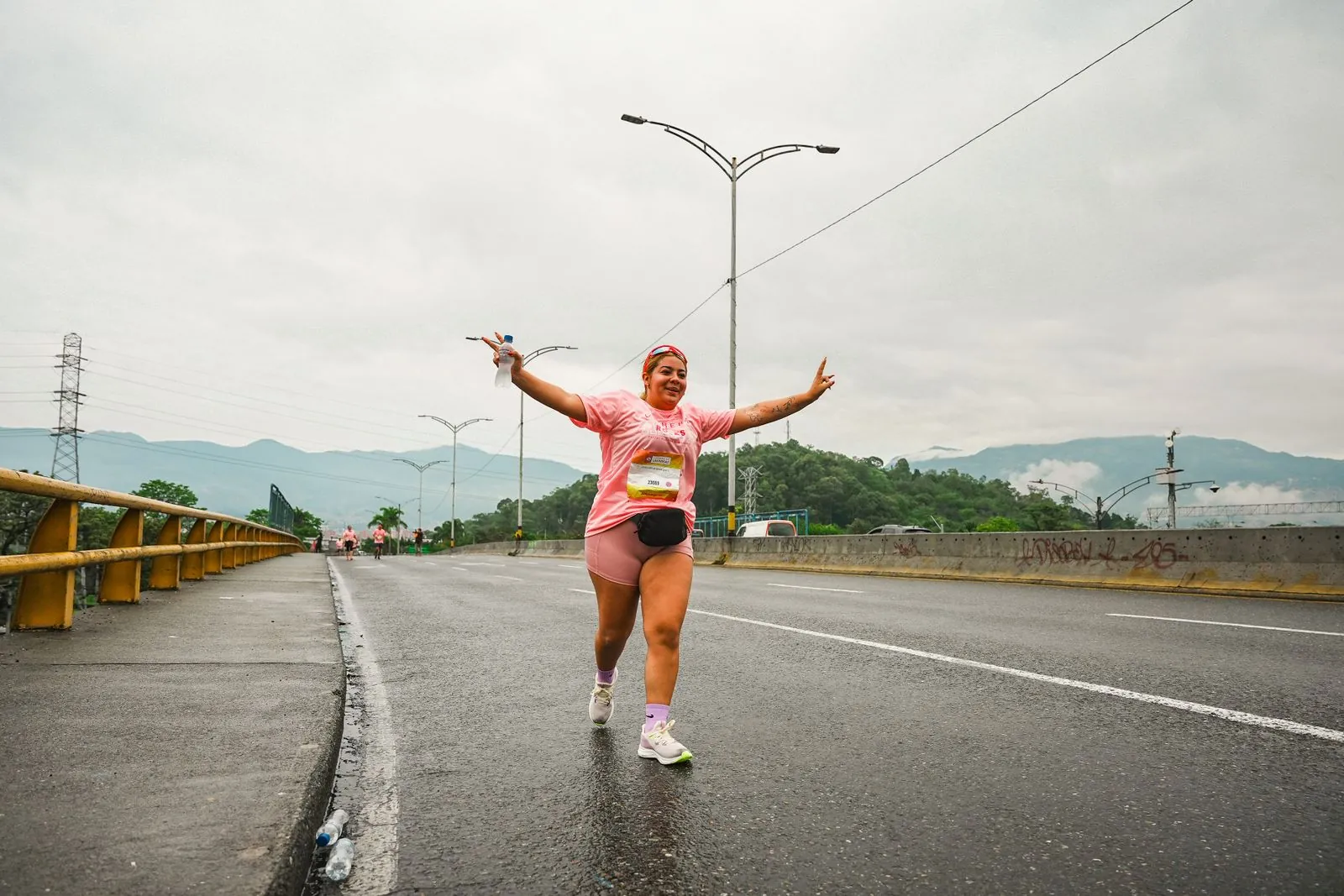
A long run is one part of preparation
A marathon is not prepared for by a single heroic outing. The surrounding weeks, manageable training frequency, fueling practice and recovery all contribute. A very long session followed by a prolonged interruption is a different preparation pattern from consistent weeks.
The Boston Athletic Association’s novice marathon plan describes long runs reaching 16–18 miles (about 26–29 km), below marathon distance. That is a useful counterexample to the idea that you must cover the entire event beforehand. It is not a reason to copy that plan without checking its starting requirements.
Convert the distance into time
| Average pace | Time on feet |
|---|---|
| 5:00 min/km | 2 h 30 min |
| 6:00 min/km | 3 h |
| 7:00 min/km | 3 h 30 min |
| 8:00 min/km | 4 h |
The same distance produces very different durations. This is why a distance copied from a faster runner can become a much longer outing for you. The table is arithmetic, not a set of recommended long-run lengths or time limits.
Read the long run beside the weekly total
Imagine two runners each completing 25 km on Sunday. One has already run 35 km that week; the other has run 5 km. Their Sundays represent very different proportions of their recent running, even before pace and experience are considered.
Use long-run share and weekly distance together. No single percentage certifies safety, but the comparison can reveal when a modest-looking weekly increase is concentrated almost entirely in one demanding session.
Rehearse what the race will ask of you
Use suitable longer outings to practise the breakfast, carbohydrate, fluids, shoes and equipment you expect to use. The task is to reduce avoidable surprises, not to race every rehearsal. A run that teaches you how to carry food and pace patiently can be useful without approaching the full event distance.
Plan practical exits and access to water. If conditions become much hotter than expected or pain develops, changing the session is better than defending a number on the calendar. Recovery after the outing should inform the following week.
Choose evidence over a confidence test
The urge to run the full distance often comes from wanting certainty. Completing it once still cannot guarantee race-day conditions or recovery, and failing to complete an overambitious rehearsal can create needless anxiety.
In Runome, review consistency and available effort data across several weeks. The marathon volume tool and eight-week volume guide help organize the history, but they cannot clear you for a race. Use a plan suited to your background and seek coaching or clinical guidance when your situation needs individual assessment.