
PACE ANALYSIS
Is your running pace becoming more consistent?
A faster average is one kind of progress. A more controlled pace is another. Equal-distance splits help you see the difference.
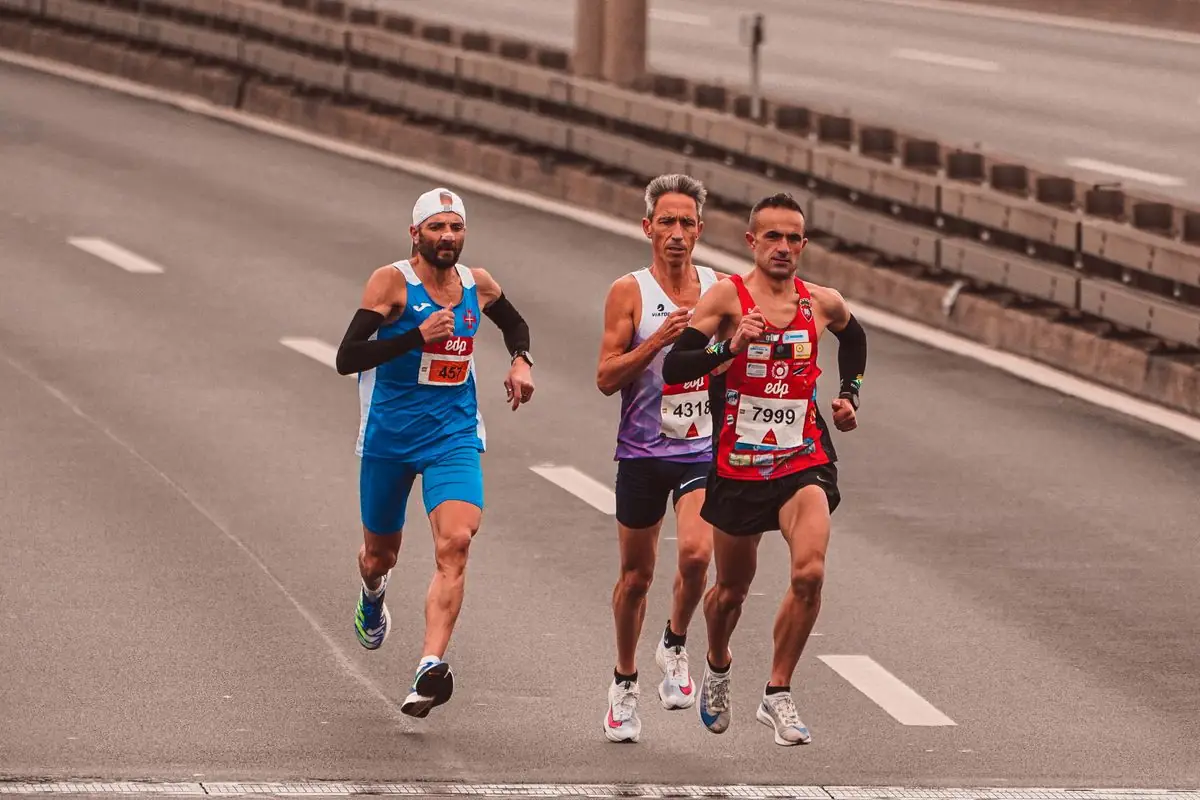
Start with equal distances
To inspect consistency, compare the time taken for equal distances. Kilometer splits can be compared directly with other kilometer splits. A final 300-meter section needs to be converted to pace or kept separate; its shorter time does not mean you accelerated.
Choose a run whose purpose makes steady pacing relevant. A set of intervals is supposed to alternate speeds. A hilly route changes the question again. Write down whether you are assessing control on a steady route, execution of work repetitions, or pacing within a race before calculating anything.
The same 25 minutes can tell two stories
These illustrative 5K runs both total 25:00. Their average is 5:00 per kilometer, but the distribution differs.
| Kilometer | Run A | Run B |
|---|---|---|
| 1 | 5:00 | 4:40 |
| 2 | 4:58 | 4:50 |
| 3 | 5:02 | 5:00 |
| 4 | 5:01 | 5:10 |
| 5 | 4:59 | 5:20 |
Run A has a four-second range between its fastest and slowest kilometer. Run B has a 40-second range and slows in each successive split. Range describes spread, while the sequence describes direction. Neither number identifies the cause. Run B could reflect an ambitious start, a rising route or a deliberate workout structure.
Check what the split boundaries hide
A kilometer average can still conceal a stop and a surge. Inspect the pace trace around the boundary and check the activity's pause handling. A manually pressed lap button may create slightly different distances, so inspect distance as well as lap time.
Do not average displayed pace values from unequal distances and call the result the activity pace. Add their times and distances first. This preserves the weighting of each section. Keep the original values if rounded labels make the displayed splits add up a second differently.
Turn the observation into a comparison
In Runome, use a comparable activity and inspect its recorded splits alongside the detailed charts. Keep the route, direction and time basis consistent. Note one observation you can verify: “The final three kilometers stayed within four seconds,” for example, rather than “My endurance is solved.”
Repeat the same review across several suitable runs. If your route is uneven, start with reading splits on hills. For a broader activity comparison, use the two-run comparison guide. You can check each split's arithmetic with the pace calculator.